
McClain County Estate Planning Lawyer
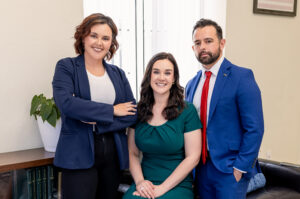
Most McClain County families put off estate planning until a health scare or a death forces the question. By then, the decisions that should have been yours already belong to a court, a hospital, or Oklahoma’s default distribution rules. A will, a trust, and the right paperwork put those choices back where they belong: with you and the people you trust.
Chapman & Stender Law Group helps McClain County families put those decisions into a plan built around them, not a generic form. Call us at 405-299-3337 or contact our team to talk through your situation.
Why McClain County Families Choose Us

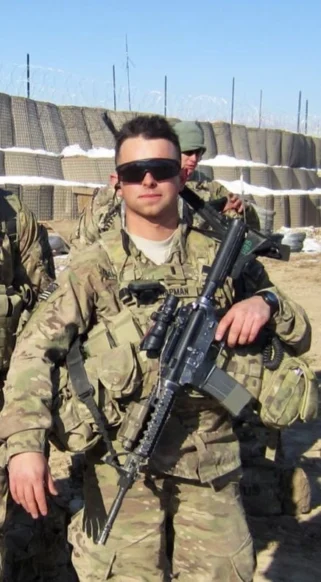
Chapman & Stender Law Group is veteran-owned and operated. Founding attorney Kyle Chapman is an Army officer, a combat veteran, and Ranger qualified. We bring that same fight to protecting what our clients have built.
McClain County holds military service in high regard, and Kyle brings that same discipline to every case at our firm, working until each family’s plan is done right.
When you work with us, we fight for your rights. Your wishes decide what happens to your property and your family, not a default legal formula. Call us at 405-299-3337 to start that conversation.
What Does an Estate Plan Cover in Oklahoma?
A complete estate plan for a McClain County family typically includes four documents: a last will and testament, a revocable living trust where it fits the family’s assets, a durable power of attorney for finances, and an advance directive for health care decisions.
- Last will and testament: Names guardians for minor children and states who gets your property. Oklahoma law sets out specific signing and witnessing steps a will must follow, under the state’s will-execution requirements.
- Revocable living trust: Holds title to the property placed in it and can keep those assets out of probate after death. Oklahoma law lets you revoke or amend this kind of trust at any time unless the trust says otherwise, under Oklahoma’s trust revocation statute.
- Durable power of attorney: Lets a person you name act on your finances if you can’t manage them yourself, under the Uniform Power of Attorney Act as adopted in Oklahoma.
- Advance directive for health care: Tells your doctors and family the care you want if you can’t speak for yourself, under Oklahoma’s Advance Directive Act (63 O.S. Section 3101.1 et seq.).
Most McClain County families need at least the first three documents. A trust becomes worth the extra step once real estate or mineral interests are involved.
Naming a Guardian for Your Children
A will does one thing no other estate planning document can: it lets you name who raises your children if something happens to you. Without that instruction, an Oklahoma judge decides who takes that role, and the person they choose may not be who you would have picked.
Courts look for a decision that serves the children’s best interest, but a judge working from limited information cannot know your family the way you do. Grandparents, siblings, and close friends can all petition for guardianship, and disagreements among relatives can turn into a courtroom dispute that plays out while your children wait for an answer.
Naming a guardian in your will settles that question in advance, under Oklahoma’s guardian nomination statute. Most families name a primary guardian and a backup, in case the first choice cannot serve when the time comes. Since several people in most families would say they love your children most, the right choice often comes down to practical fit rather than affection alone. Consider:
- A similar daily routine and parenting approach
- Proximity to extended family and your children’s school and friends
- The financial stability to take on additional dependents
- Willingness and practical capacity to take on the role
- Shared values on how you want your children raised
We help McClain County parents think through that decision and put it in writing, so it is never left for a judge to sort out.
Dying Without a Will Still Means a Plan, Just Not Yours
If you die without a will in Oklahoma, state law decides who gets your property, not you. Oklahoma’s default distribution rules split an estate among a surviving spouse, children, and other relatives in fixed shares, under the state’s intestate succession law.
Dying without a will does not mean dying without a plan. It means a fixed state formula runs instead of yours. That formula often misses blended families: a stepchild may get nothing, and a partner you never married may get nothing too.
A will swaps that formula for your own instructions. That matters most for families with land, mineral interests, or kids from more than one relationship.
Choosing Between a Will and a Trust for Your McClain County Estate
Most McClain County families need a will at minimum. They add a revocable living trust when they own real estate, mineral interests, or other assets they want to keep out of probate.
| Will | Revocable Living Trust | |
| Goes through probate? | Yes | Assets titled into the trust generally avoid it |
| Becomes public record? | Yes, once filed | No |
| Covers incapacity, not just death? | No | Yes, through a successor trustee (a backup trustee who steps in) |
| Typical fit | Most families, simpler estates | Real estate, mineral interests, blended families, privacy concerns |
For McClain County landowners, this choice often comes down to mineral interests. Oklahoma lets a trustor revoke or amend a living trust at any time, under the same trust revocation statute, so a plan built around a trust can still flex as your holdings change.
What Happens to Land and Mineral Interests Without a Will?
When a McClain County landowner dies without a plan, land and mineral interests often split among several heirs under Oklahoma’s intestate succession rules. Each heir becomes a co-owner. A buyer or lease company typically needs every co-owner’s sign-off before a deal can move forward.
For a rural family, the problem runs deeper than that. Interests can pass to five or six heirs instead of one. A lease buyer must then track down every heir and get each one’s agreement first, which can turn a straightforward decision into a months-long search for relatives.
A will or trust can name one person to run mineral interests. That keeps the job in one place instead of splitting it across every heir.
How Probate Works in McClain County
You start probate in McClain County by filing a petition in the McClain County District Court in Purcell, the county seat. How long it takes depends on whether the estate fits Oklahoma’s simple process or needs the full one.
The person named in the will files that petition. If there is no will, a family member asks the court to step in instead. Oklahoma’s small estate affidavit process can let an heir collect up to Fifty Thousand Dollars ($50,000) in personal property without a full probate case, once ten days have passed since the death and no personal representative has been appointed, under Oklahoma’s small estate affidavit statute.
The full process has three main steps. The court names someone to run the estate, that person tells creditors about the case, and the court must approve everything before property passes to heirs.
Frequently Asked Questions About Estate Planning in McClain County
Can You Write Your Own Will in Oklahoma?
Oklahoma law allows a person to write their own will. But a will that skips the state’s required signing and witnessing steps can be thrown out in probate. That turns a do-it-yourself document into the exact outcome it was meant to prevent.
Working with our team costs far less than a family fighting over a rejected will.
Protect What You’ve Built for Your McClain County Family
If you’re ready to protect what you’ve built for your family, a Mcclain County estate planning lawyer is ready to help you put a plan in place. Your plan should fit your wishes and your family’s situation, and the right next step is a conversation, not a form. Call us at 405-299-3337 or contact our team to get started.

Veteran Owned and Operated
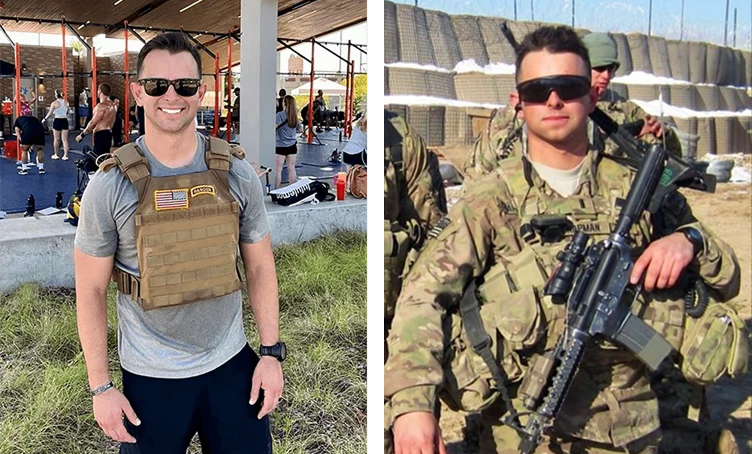
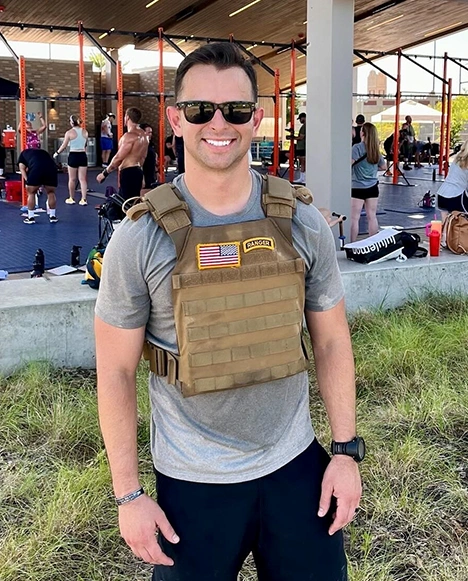

With the discipline, leadership, and strategic mindset forged as an Army Officer, Kyle Chapman brings unparalleled dedication and resilience to every case.
Trust a team led by a proven leader who serves with honor both on the battlefield and in the courtroom.

Schedule a Consultation
Fields Marked With an “*” are Required
Copyright 2026 Chapman & Stender Law Group. All Rights Reserved. Sitemap
