
Norman Criminal Defense Lawyer
 An arrest by the Cleveland County Sheriff’s Office, a traffic stop on Lindsey Street, or contact from the Norman Police Department can change your life without warning. Whether you are accused of a misdemeanor or a felony, the decisions you make in the first days of your case can affect everything that follows.
Prosecutors in Cleveland County often begin building their cases immediately, making early action important. The sooner a defense strategy is in place, the more opportunities there may be to negotiate a favorable outcome, challenge the evidence, or prepare for trial.
At Chapman & Stender Law Group, straight answers and courtroom-tested strategy define how we approach every criminal case filed in Cleveland County. Call 405-299-3337 or contact us online to set up a case evaluation with our Norman criminal defense lawyer, who can walk through the specific facts of your arrest with our team.
What Makes Our Defense Approach Different in Norman?
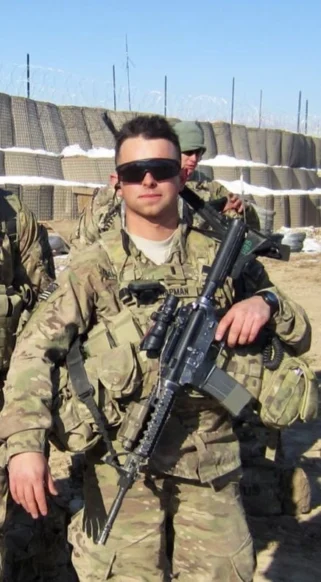
Kyle Chapman helped build Chapman & Stender Law Group after serving as an Army Officer. That discipline still shows in case preparation: methodical review of police reports, early motion practice, and contingency planning before a court date gets set.
Our firm is veteran-owned and operated, making us a trusted name among Norman criminal defense attorneys. We appear in the Cleveland County District Court on a regular basis and know which judges favor early motion hearings over last-minute filings. That courtroom presence carries weight with juries across central Oklahoma.
What Should You Do After an Arrest in Norman, Oklahoma?
The hours immediately following an arrest often matter as much as anything that happens later in court. A few practical steps, taken calmly and early, tend to make the biggest difference in how a case unfolds:
- Stay silent beyond basic identification
- Write down what happened while it’s fresh
- Avoid discussing the arrest with anyone but counsel
- Keep any paperwork from the arrest
None of these steps guarantees a particular outcome, but each one preserves information and options that are easy to lose in the confusion of an arrest. Cleveland County cases move on a schedule set by the court, not by how ready anyone feels.
Why Retain Defense Counsel Before Charges Are Filed?
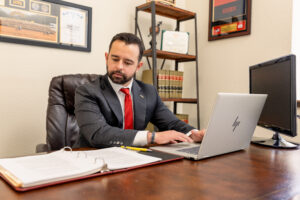
Cases often get built long before formal charges appear on a docket. Detectives interview witnesses and prosecutors review police reports while you’re still deciding what to do next. Early involvement can influence decisions that would otherwise be made without your input.
Certain moments in a case tend to signal that time matters more than most people realize. If any of the following sound familiar, reaching out sooner rather than later tends to preserve more options:
- A detective or investigator has contacted you directly
- Officers executed a search warrant at your home or vehicle
- You received a target letter from the district attorney’s office (formal notice that you may be under investigation)
- Police asked you to come in “just to talk”
None of those situations means a case is decided. They do mean the investigation has already started, and having someone review the details before you answer more questions can affect how the rest of the process unfolds.
What Steps Can You Take While an Investigation Is Ongoing?
Several concrete steps can strengthen your position while a case is still under investigation. Requesting records and limiting what gets said to law enforcement or posted online both affect how the case looks once charges, if any, are filed.
A few practical actions matter most during this stage. Norman criminal defense lawyers often recommend the following to anyone worried about an investigation turning into formal charges:
- Limit contact with investigators
- Preserve your own records (text, receipts, location data)
- Avoid discussing the case online
- Document witnesses while memories are fresh
Early decisions can shape the course of an investigation. Preserving evidence and avoiding unnecessary statements help protect your rights before formal charges are filed.
What Criminal Charges Does Our Team Defend in Norman?
Cleveland County District Court handles a wide variety of criminal filings each month, from routine traffic citations to serious felony allegations. The specific charge on a case affects everything from bond conditions to potential sentencing, and our team regularly handles the following categories of criminal cases in Norman:
- Drug charges
- DUI charges
- Traffic offenses
- Theft charges
- Assault and domestic violence charges
- Gun charges
- White-collar charges
- Probation violations
- Expungements
Each type of criminal charge presents different legal issues, penalties, and defense strategies. Identifying the strongest approach early can make a significant difference as the case moves forward.
What Does Our Norman Criminal Defense Lawyer Do For Your Case?
Building a defense means carefully testing every piece of the state’s case before trial. That includes reviewing how evidence was collected, whether constitutional protections were followed, and whether the charge filed actually matches what happened in your specific case.
Every case moves through several distinct stages between the initial arrest and final resolution, and different work happens at each one, from the first court appearance through any plea negotiations, pretrial hearings, or trial preparation that follows.
In a typical Cleveland County criminal matter handled by our team, that process usually includes the following:
- Reviewing police reports and body camera footage
- Filing motions to suppress unlawfully obtained evidence
- Negotiating directly with the district attorney’s office
- Preparing witnesses and evidence for a possible trial
Some cases end in dismissal, a not-guilty verdict, or a deferred sentence that gets completed successfully, which raises a separate question about the record left behind.
Oklahoma law allows certain records to be sealed under 22 O.S. § 18, though expungement eligibility depends on how the case was resolved and how much time has passed since then.
Norman Criminal Charges FAQ: What You Need to Know
How Long Does a Criminal Case Take in Cleveland County?
Timelines vary widely, but a straightforward misdemeanor can be resolved in a few months while a contested felony often takes a year or longer. Court backlogs and plea negotiations both affect how long a case stays open.
Will a Misdemeanor Appear on a Background Check?
Yes, most misdemeanor convictions in Oklahoma appear on standard background checks unless the record has been sealed through expungement. Even a dismissed charge can show up on certain checks until the case is formally sealed.
Can You Leave Oklahoma While Charges Are Pending?
Travel is often possible, but bond conditions set by the court can restrict it, especially for felony charges. Checking specific bond terms before booking travel is the only reliable way to avoid violating release conditions.
Does Hiring Counsel Guarantee a Case Gets Dismissed?
No, and any claim otherwise should raise questions. What consistent representation can do is test the state’s evidence, identify weak points in how a case was built, and pursue the strongest realistic outcome available given the specific facts.
Why Wait to Contact Our Norman Criminal Defense Lawyer?
A criminal charge does not have to define how the next several months of your life go. Courtroom-tested strategy and direct communication guide every case accepted by Chapman & Stender Law Group, backed by hands-on knowledge of Cleveland County courts and judges.
Every case gets individual attention rather than a generic approach. We fight for your rights. Call 405-299-3337 or contact us online today to schedule a case evaluation and start building a plan for what comes next.

Veteran Owned and Operated
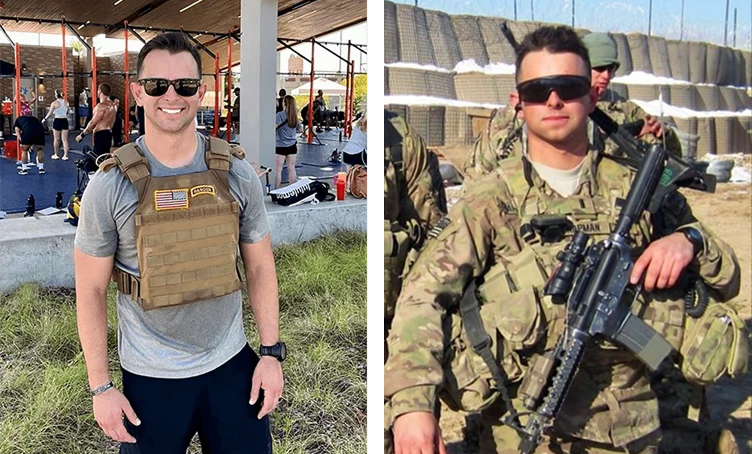
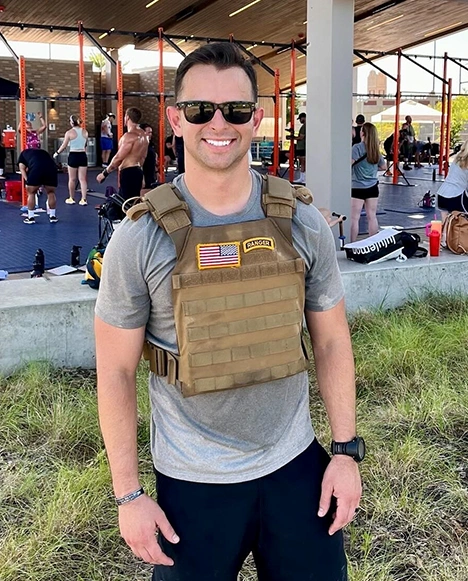

With the discipline, leadership, and strategic mindset forged as an Army Officer, Kyle Chapman brings unparalleled dedication and resilience to every case.
Trust a team led by a proven leader who serves with honor both on the battlefield and in the courtroom.

Schedule a Consultation
Fields Marked With an “*” are Required
Copyright 2026 Chapman & Stender Law Group. All Rights Reserved. Sitemap
