
Norman Spousal Support Lawyer
 If you are going through a divorce in Oklahoma, you may be worried about how you will support yourself afterward, or whether you will be expected to financially support your former spouse. Spousal support, also known as alimony, can play a major role in shaping your financial future.
At Chapman & Stender Law Group, we help individuals in Norman understand how Oklahoma spousal support laws apply to their unique situation and what they can realistically expect from the court. These decisions are rarely simple, and they deserve careful legal attention. If you have questions about spousal support or need guidance during a divorce, call us at (405) 299-3337 or go online to speak with an experienced Norman family law attorney.
Why Choose Us to Handle Your Spousal Support Case in Norman?
 When you choose Chapman & Stender Law Group, you work with attorneys whose backgrounds bring both strength and understanding to your case.
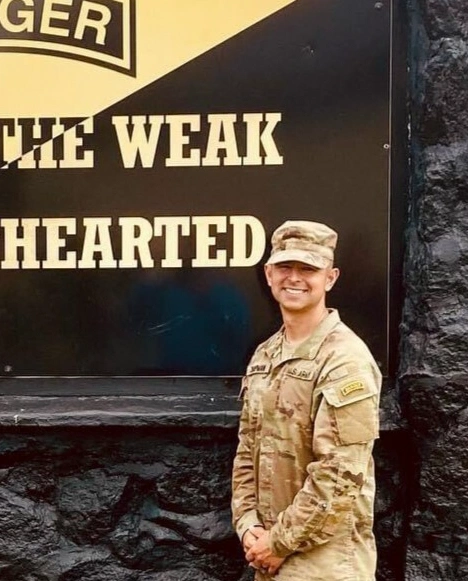
Our firm is veteran-owned and operated, led in part by Kyle Chapman, a former Army Ranger whose military service reflects discipline, commitment, and a results-driven mindset valued throughout the Oklahoma City area. That steady, strategic approach is paired with genuine compassion in family law matters.
Mallory Stender’s dedication to divorce and spousal support cases is shaped by her own childhood experience with a difficult family separation, giving her insight into the emotional and practical challenges clients face. Together, these perspectives create focused advocacy grounded in practical experience.
What Spousal Support Means for You Under Oklahoma Law
In Oklahoma, spousal support is legally referred to as support alimony. Unlike child support, there is no set formula or calculator that determines how much spousal support you will pay or receive. Instead, Oklahoma judges look closely at your individual circumstances and make decisions based on fairness and financial need.
For you, this means that the outcome depends on the details of your marriage, your finances, and your future earning ability. The court’s goal is not to reward or punish either spouse. Instead, it focuses on whether one spouse needs financial assistance and whether the other spouse has the ability to provide it under Oklahoma law.
How Oklahoma Courts Decide Whether You Qualify for Spousal Support
 If you are asking for spousal support, you must show the court that you have a legitimate financial need. This involves more than simply earning less than your spouse. The judge will look at whether you can reasonably meet your living expenses using your income, assets, and employment opportunities.
At the same time, the court examines your spouse’s ability to pay. Even if you have a need, spousal support may not be awarded if your spouse cannot afford it. Oklahoma courts carefully balance both sides to avoid creating financial hardship for either party.
Judges also consider factors such as the length of your marriage, your age and health, your education, your work history, and your earning capacity. If you gave up career opportunities to raise children or support your spouse’s career, that contribution matters under Oklahoma law.
The Different Types of Spousal Support You May Encounter
Oklahoma courts can award several types of spousal support depending on your situation. Temporary spousal support may be ordered while your divorce is pending. This is designed to help you maintain financial stability until the divorce is finalized.
Rehabilitative spousal support is common and may apply to you if you need time to gain education, training, or work experience. For example, if you were out of the workforce for several years, the court may award support to help you become self-sufficient.
In longer marriages or situations involving significant income disparities, Oklahoma courts may award longer-term or permanent spousal support. Permanent spousal support does not necessarily mean lifelong payments, but rather ongoing support that may continue for an extended period and can be modified or terminated if circumstances change under Oklahoma law. While permanent alimony is not automatic, it may be appropriate if you cannot realistically become financially independent due to age, health issues, or long-term economic disadvantages.
How Long You Might Pay or Receive Spousal Support
 One of the most common questions people ask is how long spousal support will last. In Oklahoma, there is no fixed rule. The duration depends heavily on the facts of your case.
If your marriage was short, spousal support may be denied altogether or awarded for a limited time. Longer marriages often result in longer support periods, especially if one spouse relied heavily on the other’s income. Courts frequently tie the duration of support to the time reasonably needed for you to become self-supporting.
Spousal support usually ends if the receiving spouse remarries or if either spouse passes away. However, the exact terms depend on how the court order or settlement agreement is written, which is why careful legal drafting matters.
What You Should Know About Modifying Spousal Support Orders
Your financial circumstances may change after your divorce, and Oklahoma law allows spousal support to be modified in certain situations. If you experience a substantial and continuing change, such as job loss, serious illness, retirement, or a major income shift, you may be able to request a modification.
Modification is not automatic. You must prove that the change was significant, ongoing, and not anticipated at the time of the original order. Courts take these requests seriously, and strong documentation is essential.
If you are paying spousal support, modification may help protect you from an unfair financial burden. If you are receiving support, a spousal support lawyer can defend against an improper request to reduce or terminate payments.
How Spousal Support Interacts with Property Division in Oklahoma
 In Oklahoma, marital property is divided under the principle of equitable distribution. This means property is divided fairly, though not always equally. Spousal support and property division are related but separate legal issues.
In some cases, you may receive a larger share of marital property instead of long-term spousal support. In others, the court may award both. Judges consider the overall financial picture to reach a fair result.
How Chapman & Stender Law Group Can Help You
At Chapman & Stender Law Group, we understand that spousal support decisions directly affect your future. Our family law attorneys work closely with clients in Norman and across Oklahoma to evaluate financial circumstances, explain legal options, and develop strategies tailored to Oklahoma law.
Whether you are seeking spousal support, concerned about paying it, or facing a modification request, we focus on realistic outcomes and strong advocacy. We gather the necessary financial evidence, negotiate fair terms, and represent you confidently in court when needed.
Talk with Our Experienced Norman Spousal Support Lawyers Right Away
Spousal support can be one of the most impactful issues in an Oklahoma divorce, affecting your finances for years to come. Knowing how Oklahoma law applies to your situation helps you make informed decisions and protect your interests.
At Chapman & Stender Law Group, we are committed to guiding you through spousal support matters with clear advice and dedicated representation. If you need help from a trusted Norman spousal support lawyer, call Chapman & Stender Law Group at (405) 299-3337 or contact us online today to schedule a consultation and take the next step forward.

Veteran Owned and Operated


With the discipline, leadership, and strategic mindset forged as an Army Ranger, Kyle Chapman brings unparalleled dedication and resilience to every case.
Trust a team led by a proven leader who serves with honor both on the battlefield and in the courtroom.

Schedule a Consultation
Fields Marked With an “*” are Required
Copyright 2026 Chapman & Stender Law Group. All Rights Reserved. Sitemap
