
Norman Drug Possession Lawyer

A traffic stop on I-35 near Norman can turn into something bigger the moment an officer says “search.” A burned-out taillight can end with a misdemeanor or felony drug charge attached to your name. Oklahoma’s drug laws changed substantially in recent years, and outdated information still circulates about what a possession charge means for a first offense.
Cleveland County drug cases make up a steady share of the docket our team at Chapman & Stender Law Group handles. Call (405) 299-3337 or contact us online for a case evaluation with our Norman drug possession lawyer, who will fight for your rights by building strong defenses.
Why Do Cleveland County Residents Choose This Firm for Drug Charges?

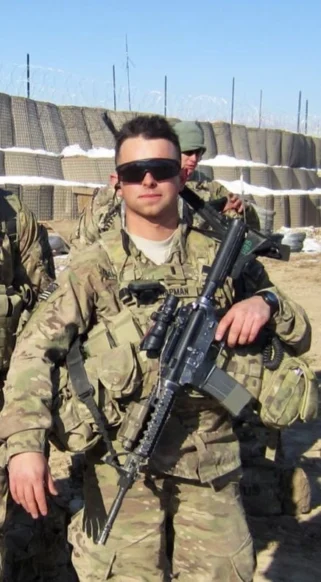
Founding attorney Kyle Chapman entered the legal profession after serving as an Army Officer. That military background continues to influence the firm’s approach through prompt investigation, careful preparation, and disciplined follow-through.
As a veteran-owned and operated firm, we bring that commitment to every case we handle for clients in the Norman area.
Cleveland County’s drug court follows a structured process, and evaluating eligibility early may preserve alternatives that become unavailable as a case progresses through the traditional criminal system.
What Counts as Actual or Constructive Possession in Oklahoma?
Oklahoma law recognizes two ways a person can be found in possession of a controlled substance. Actual possession means the substance was on your body; constructive possession means it was somewhere you had access to and control over.
Constructive possession cases turn on facts about access and control. These scenarios come up often in Cleveland County filings:
- Drugs found in a glove compartment or center console
- A controlled substance located in a shared apartment or vehicle
- Items found in a bag or jacket that is not clearly yours
- Substances located in a room you do not exclusively occupy
None of these scenarios automatically proves possession. Prosecutors still carry the burden of showing you knew the substance was there and could control it.
What’s the Difference Between Simple Possession and Intent to Distribute?
Simple possession and possession with intent to distribute fall under different sections of law, and the gap can mean a misdemeanor versus a lengthy prison term. Intent gets inferred from circumstantial evidence, not the substance alone.
Officers and prosecutors typically point to a specific set of details when arguing that a case is really about distribution:
- Individually wrapped baggies or packaging material
- A digital scale found near the substance
- A large amount of cash in small denominations
- Text messages or calls suggesting sales activity
A first-offense simple possession charge is generally prosecuted as a misdemeanor under 63 O.S. § 2-402. However, the type of controlled substance, prior convictions, and the circumstances of the arrest can affect the severity of the charge. Possession with intent to distribute is charged as a felony from the outset, regardless of a person’s prior record.
What Penalties Come With a Drug Possession Conviction?
Penalties depend on the charge classification, the substance involved, and whether this is a first offense. A misdemeanor and a felony carry very different exposure in court and afterward. Sentencing can draw from several tools available to the judge:
- County jail time
- Court-ordered fines
- Probation with supervision requirements
- A substance abuse assessment and treatment program
Judges often combine several of these rather than choosing one. A completed treatment requirement can sometimes reduce what the court imposes elsewhere.
What Other Consequences Can Follow a Drug Charge?
A conviction reaches beyond the courtroom in ways that surprise a lot of people. Licensing boards, landlords, and employers can factor a drug charge into decisions separate from the case. Several of these consequences are easy to overlook until months later:
- Loss of driving privileges
- Board reviews for professional licensing
- Difficulty finding housing and employment
- Refusal of financial aid
- Impact on immigration status
None of these outcomes is automatic. How a case gets resolved often determines which of them apply. A drug conviction can have a significant impact on child custody proceedings.
Family courts decide custody based on the child’s best interests, and a drug-related conviction may raise concerns about a parent’s judgment, stability, and ability to provide a safe and supportive environment.
What Defenses Apply to a Drug Possession Case?
Every possession case rests on how officers found the substance and what they can prove about your knowledge and control of it. Our Norman drug possession lawyer spends most of his preparation time here, targeting those weak points.
A handful of recurring defense strategies show up across most Cleveland County possession cases:
- Unlawful search and seizure: Evidence obtained without a valid warrant or recognized exception can be suppressed and kept out of trial.
- Lack of knowledge: If the substance belonged to someone else and you had no awareness of it, the state’s theory weakens considerably.
- Chain of custody gaps: Missing documentation between the stop and the crime lab can undercut how reliable the evidence really is.
- Improper testing procedures: A lab result that skipped standard protocol can be challenged before it reaches a jury.
None of these defenses applies automatically. Building one requires a close look at the police report, body camera footage, and lab paperwork.
Are Diversion Programs Available for Drug Charges in Oklahoma?
Oklahoma offers several alternatives to a traditional criminal conviction, with drug court serving as one of the most structured programs. Eligibility depends on the offense charged, your criminal history, and approval by the district attorney.
Authorized under Oklahoma’s Drug Court Act, 22 O.S. § 471.1, drug courts, including Cleveland County’s program, combine treatment with close judicial supervision. Completing the program may result in reduced charges or, in some cases, dismissal.
A typical drug court program progresses through several phases:
- An eligibility review shortly after arrest
- Regular drug testing and court check-ins
- Substance abuse treatment sessions
- A final phase focused on stability and compliance before graduation
Completion is not guaranteed. Failing to meet requirements can send a case back to traditional prosecution with the original charges intact.
Norman Drug Possession FAQ: What You Need to Know
Does a Small Amount Of a Substance Still Count As Possession?
Yes, Oklahoma law sets no minimum quantity for a charge to apply. Even a trace amount can support a charge. The prosecution must still prove that the substance was a controlled drug and that you knowingly possessed it.
Can a Passenger Be Charged For Drugs Found In a Car?
Yes, if prosecutors can show the passenger knew about the substance and could control it. Simply riding in the car is not enough. The location of the drugs, statements made during the stop, and other evidence often determine whether a passenger can be held responsible.
Will a Possession Charge Show Up On a Background Check?
A conviction typically shows up on a routine background screen unless the record later qualifies for expungement. An arrest with no conviction may still appear until addressed separately.
What Happens If You Delay Calling Our Norman Drug Possession Lawyers?
 One traffic stop or one bad decision by a passenger should not decide the next several years of your life. Cleveland County possession cases hinge on details easy to miss without a close review of the stop and search behind them.
Our team at the Chapman & Stender Law Group brings the same discipline to those cases as a combat veteran would. Reach out to our team at (405) 299-3337 or contact us online about your arrest.

Veteran Owned and Operated
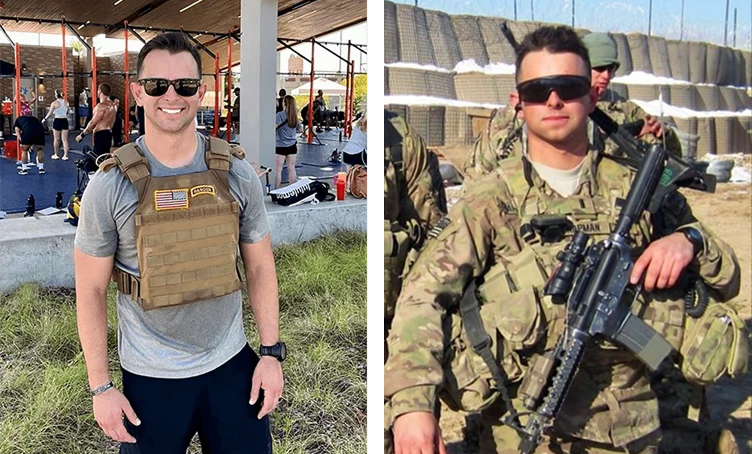
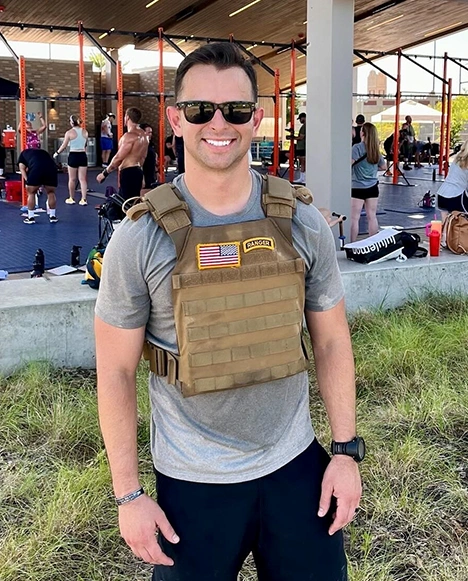

With the discipline, leadership, and strategic mindset forged as an Army Officer, Kyle Chapman brings unparalleled dedication and resilience to every case.
Trust a team led by a proven leader who serves with honor both on the battlefield and in the courtroom.

Schedule a Consultation
Fields Marked With an “*” are Required
Copyright 2026 Chapman & Stender Law Group. All Rights Reserved. Sitemap
